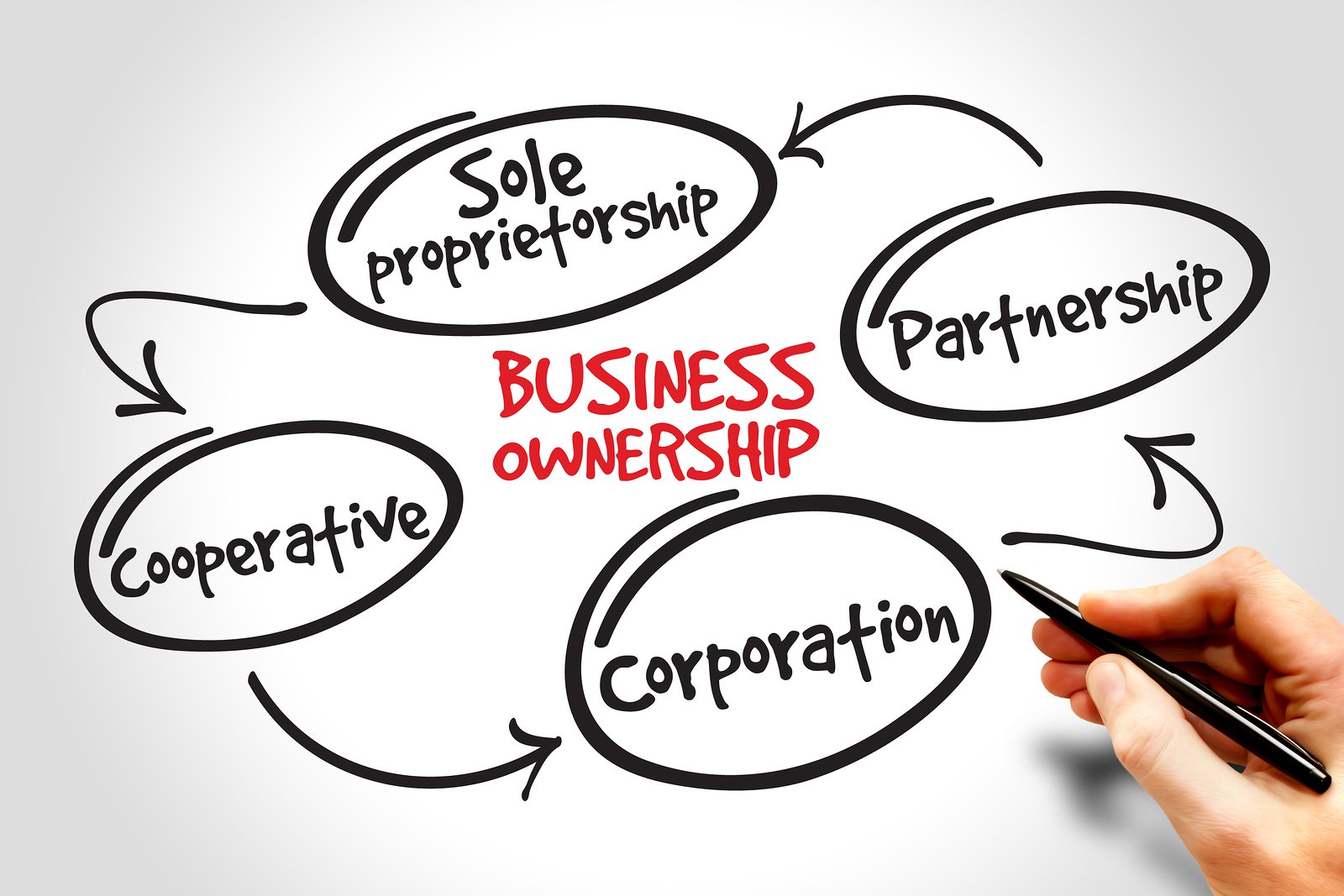
When forming a business or managing finances, choosing the right entity type is a crucial decision with legal, operational, and tax consequences. The structure you choose affects liability exposure, tax obligations, and regulatory filings.
Common Entity Types and Tax-Related Considerations
Sole Proprietorship
The simplest form of business, owned and operated by a single individual. There’s no legal separation between the business and the owner, which offers no liability protection.
Tax Implications: Income and losses are reported on the owner’s personal tax return using Schedule C. Profits are subject to self-employment taxes.
Liability: The owner is personally liable for business debts and obligations.
Partnership
A business owned by two or more individuals. Types include general partnerships (GP), limited partnerships (LP), and limited liability partnerships (LLP).
Tax Implications: Pass-through taxation. The partnership files Form 1065, and each partner receives a Schedule K-1 to report their share of income on their personal return..
Liability: General partners have unlimited liability; limited and LLP partners have liability limited to their investment.
Limited Liability Company (LLC)
A flexible structure offering liability protection with the ability to choose how the entity is taxed. It can have one (SMLLC) or multiple members.
Tax Implications: By default, single-member LLCs are taxed like sole proprietorships, and multi-member LLCs like partnerships. LLCs can elect to be taxed as a C corporation or S corporation. Pass-through profits are subject to self-employment taxes unless taxed as a corporation.
Liability: Members have limited liability protection.
C Corporation
A separate legal entity from its owners, offering robust liability protection and formal operating requirements.
Tax Implications: C corporations pay corporate income tax on profits (Form 1120). Shareholders are taxed again on dividends, resulting in double taxation.
Liability: Shareholders have limited liability.
S Corporation
A tax status that allows corporations to avoid double taxation while maintaining liability protection. Must meet IRS eligibility criteria.
Tax Implications: Income and losses pass through to shareholders and are reported via Schedule K-1 on their personal returns. The corporation files Form 1120S.
Liability: Shareholders enjoy limited liability.
Nonprofit Organization
Formed for charitable, educational, religious, or other exempt purposes. Must meet IRS qualifications for tax-exempt status.
Tax Implications: Must apply for exemption under IRS Section 501(c). Once approved, the organization is exempt from federal income taxes and files Form 990 annually. May owe tax on unrelated business income.
Liability: Typically offers limited liability for directors and officers.
Key Takeaways
- Business structure impacts taxes, liability, compliance, and flexibility.
- Sole proprietorships and partnerships are simple but lack liability protection.
- LLCs and S Corps offer a balance of protection and tax efficiency.
- C Corps are ideal for reinvestment and raising capital but may face double taxation.
- Nonprofits enjoy tax-exempt benefits but must meet strict IRS requirements.
- Consulting a tax professional ensures your chosen structure supports your goals and keeps you compliant.
Frequently Asked Questions
Can I change my business entity later?
Yes. Many businesses start as sole proprietorships or LLCs and later convert to S Corps or C Corps as they grow. Be sure to consult a tax advisor before making changes.
Which entity is best for reducing taxes?
It depends on your income, industry, and goals. LLCs offer flexibility, while S Corps can reduce self-employment tax for eligible owners. C Corps may offer tax deferral strategies but face double taxation.
Do all entities require formal registration?
No. Sole proprietorships don’t require formal state registration, while LLCs, corporations, and nonprofits must file formation documents with the state and maintain ongoing compliance.
Is liability protection the same for all structures?
No. Sole proprietors and general partners have unlimited liability. LLCs, corporations, and LLPs provide varying degrees of personal asset protection.
What if I operate in multiple states?
You may need to register as a foreign entity in each state where you conduct business and meet each jurisdiction’s compliance rules.