What Are Personal Taxes?
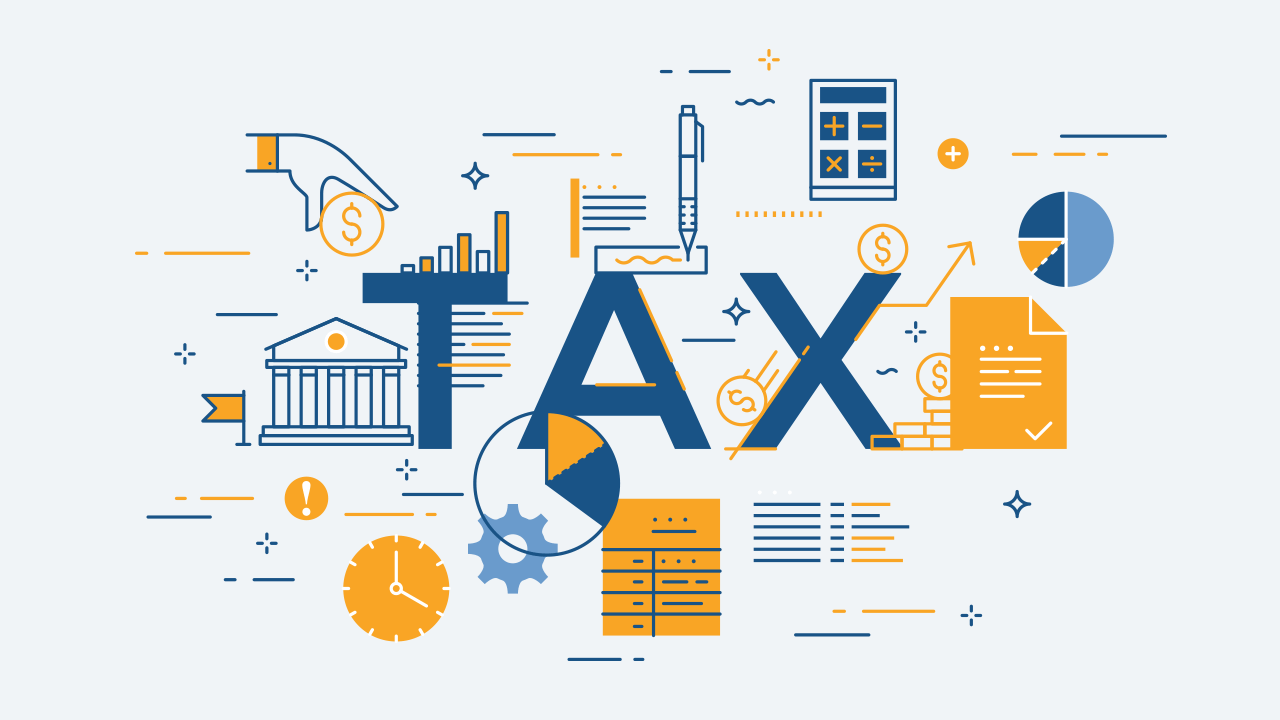
Personal taxes, commonly referred to as income taxes, are paid by individuals, couples, and families based on how much they earn. These taxes help fund essential public services and infrastructure. Understanding how personal taxes work can improve financial planning, ensure compliance, and potentially reduce your overall tax liability.
Key Components of Personal Taxes
Taxable Income
Taxable income includes wages, self-employment earnings, investment gains, rental income, and other reportable sources. Your total income is reduced by eligible deductions and exemptions to determine how much tax you owe.
Deductions and Allowances
Deductions reduce your taxable income. Common examples include:
- Mortgage interest
- Student loan interest
- Retirement contributions
- Charitable donations
- Education expenses
Tax Credits
Credits lower the amount of tax you owe directly. Some credits are refundable, which means they may result in a tax refund. Key examples include:
- Child Tax Credit
- Education Credits
- Energy-efficient home improvement credits
- Child and dependent care credits
Filing Status
Your filing status determines your tax rate and eligibility for certain deductions and credits. Options include single, married filing jointly, married filing separately, head of household, and qualifying widow(er).
How to File Personal Taxes
Know Your Deadlines
In the United States, the federal tax deadline is typically April 15. If the date falls on a weekend or holiday, it is pushed to the next business day. Filing late without an extension can lead to penalties.
Use the Correct Tax Forms
Most individuals use Form 1040 to file federal taxes. Additional schedules or forms may be needed if you report self-employment income, itemize deductions, or claim specific credits.
Estimated Tax Payments
If you receive income not subject to withholding (such as freelance work, dividends, or rental income), you may need to make quarterly estimated tax payments to avoid underpayment penalties.
Extensions and Amendments
If you cannot file by the deadline, you can request an automatic extension using IRS Form 4868. If you discover an error on a filed return, file an amended return using Form 1040-X.
Tips for Managing Personal Taxes
- Keep organized records year-round, including receipts, bank statements, and prior returns
- Adjust withholdings as needed to avoid large payments or refunds
- Review available deductions and credits annually to take advantage of new savings opportunities
- Monitor changes in tax laws that could affect your filing or planning
- Consult a professional if your situation involves self-employment, real estate, or multiple income streams
Key Takeaways
- Personal taxes are based on income and affected by deductions, credits, and filing status
- Staying organized and informed throughout the year helps reduce tax stress and avoid mistakes
- Estimated payments may be necessary if you receive non-W-2 income
- Hiring a professional can improve accuracy and reveal savings opportunities
- Timely filing and planning contribute to better financial health and compliance
Frequently Asked Questions
What is considered taxable income?
Taxable income includes wages, investment gains, business profits, and other earnings after subtracting eligible deductions.
Do I need to make estimated payments?
If you expect to owe $1,000 or more in taxes and do not have enough withheld, you likely need to make quarterly estimated payments.
What is the difference between deductions and credits?
Deductions reduce your taxable income, while credits reduce the actual tax you owe. Credits can have a greater impact on your final tax bill.
When is the tax filing deadline?
The federal deadline is usually April 15. Some states have different dates, and extensions are available if requested on time.
Should I hire a tax professional?
A tax professional can be helpful if you have complex finances, multiple income sources, or want to optimize your strategy for deductions and credits.